
News
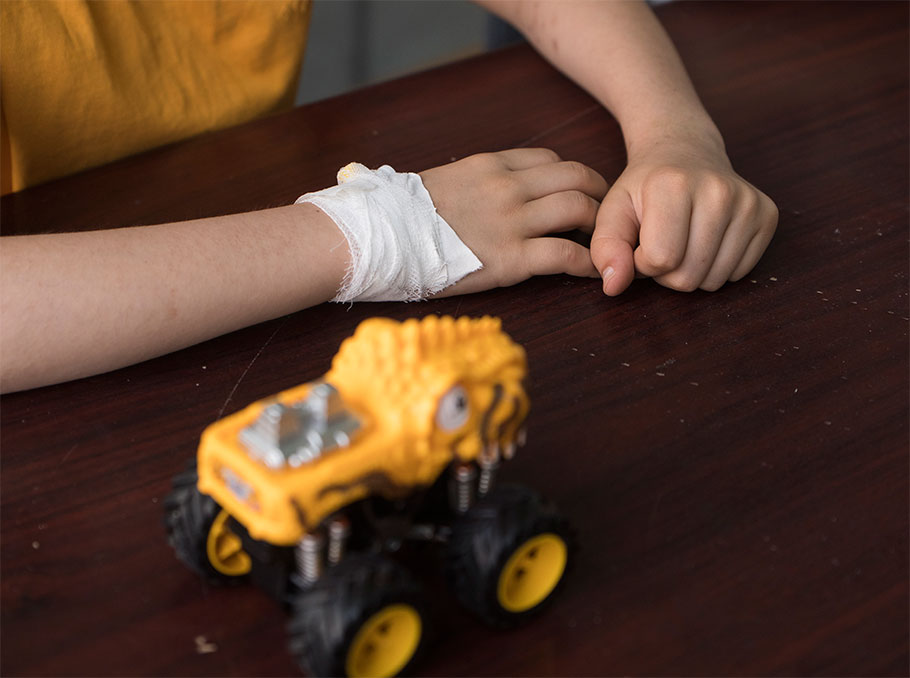
The Izmirlian Foundation Expands Cancer Care for Vulnerable Children in Armenia
Ensuring equitable access to the best possible cancer treatment and care in Armenia
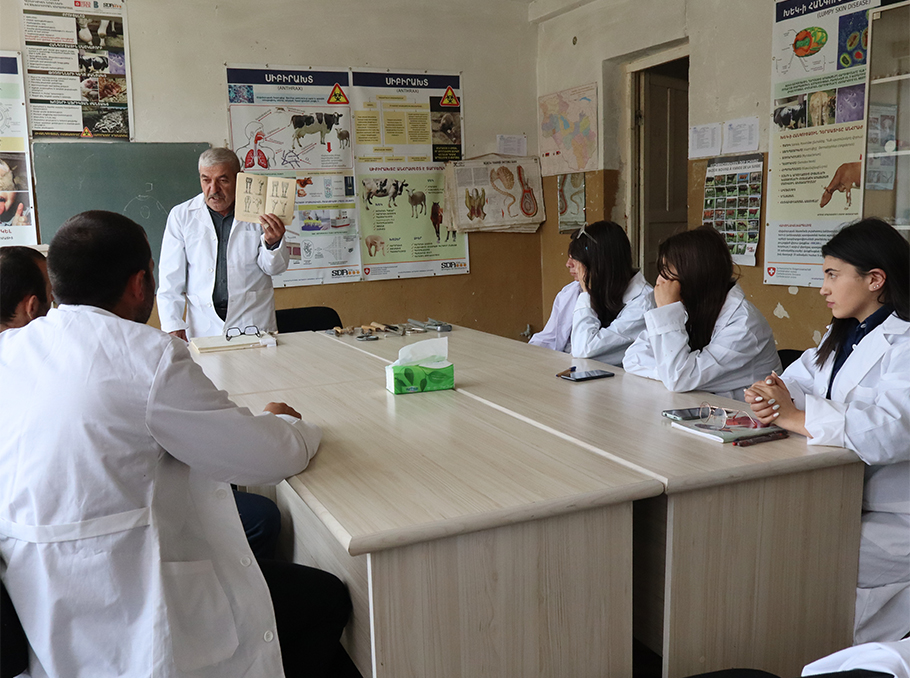
A new chapter in the development of agricultural education in Syunik province has begun with the introduction of the dual education system. This model, which combines theoretical training with practical work, enables students to gain real experience in their chosen field by working directly with partner organizations.“Modernizing Vocational Education and Training in Agriculture in Armenia” (MAVETA) project implemented in Syunik is part of the Resilient Syunik Team Europe initiative, which is the joint undertaking of the EU, the European Investment Bank, the European Bank for Reconstruction and Development, Austria, the Czech Republic, Estonia, Finland, France, Germany, Lithuania, the Netherlands, Poland, Sweden and Switzerland. The key goal of the initiative is to promote the sustainable socio-economic development of Syunik.Professional experience starting from student yearsThe MAVETA project brings together educational institutions, employers, and government bodies to strengthen vocational education in the agricultural sector. A dual education system has been introduced within the framework of the project, which allows students to not only receive theoretical knowledge, but also gain real work experience on a contractual basis and with pay.The MAVETA project is funded by a broad coalition of international and local organizations led by the Swiss Agency for Development and Cooperation (SDC), including the Austrian Development Cooperation (ADC), the German Ministry for Economic Cooperation and Development (BMZ), the Government of Armenia, HEKS/EPER NGO, the Izmirlian Foundation, the Strategic Development Agency (SDA) NGO and Vanand Agro CJSC. The project’s implementing partners are the GIZ and HEKS/EPER with the involvement of SDA and the School of Agricultural, Forest and Food Sciences at the Bern University of Applied Sciences (HAFL).
Ensuring equitable access to the best possible cancer treatment and care in Armenia
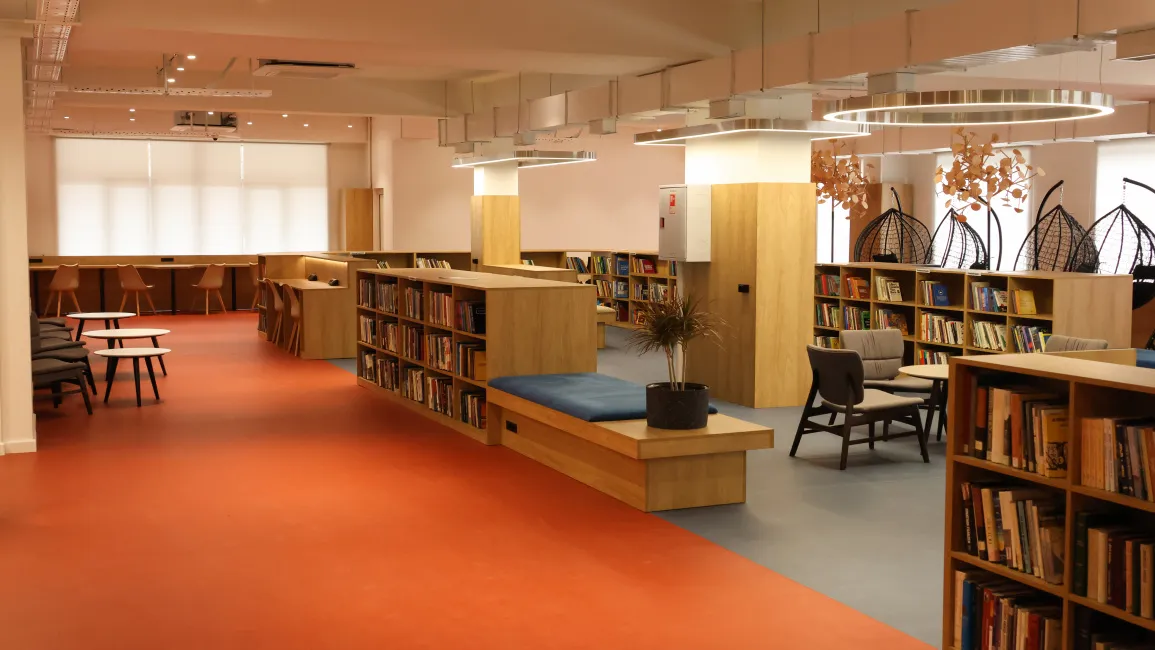
With the support of the Izmirlian Foundation, the first floor of the YSU Library has reopened
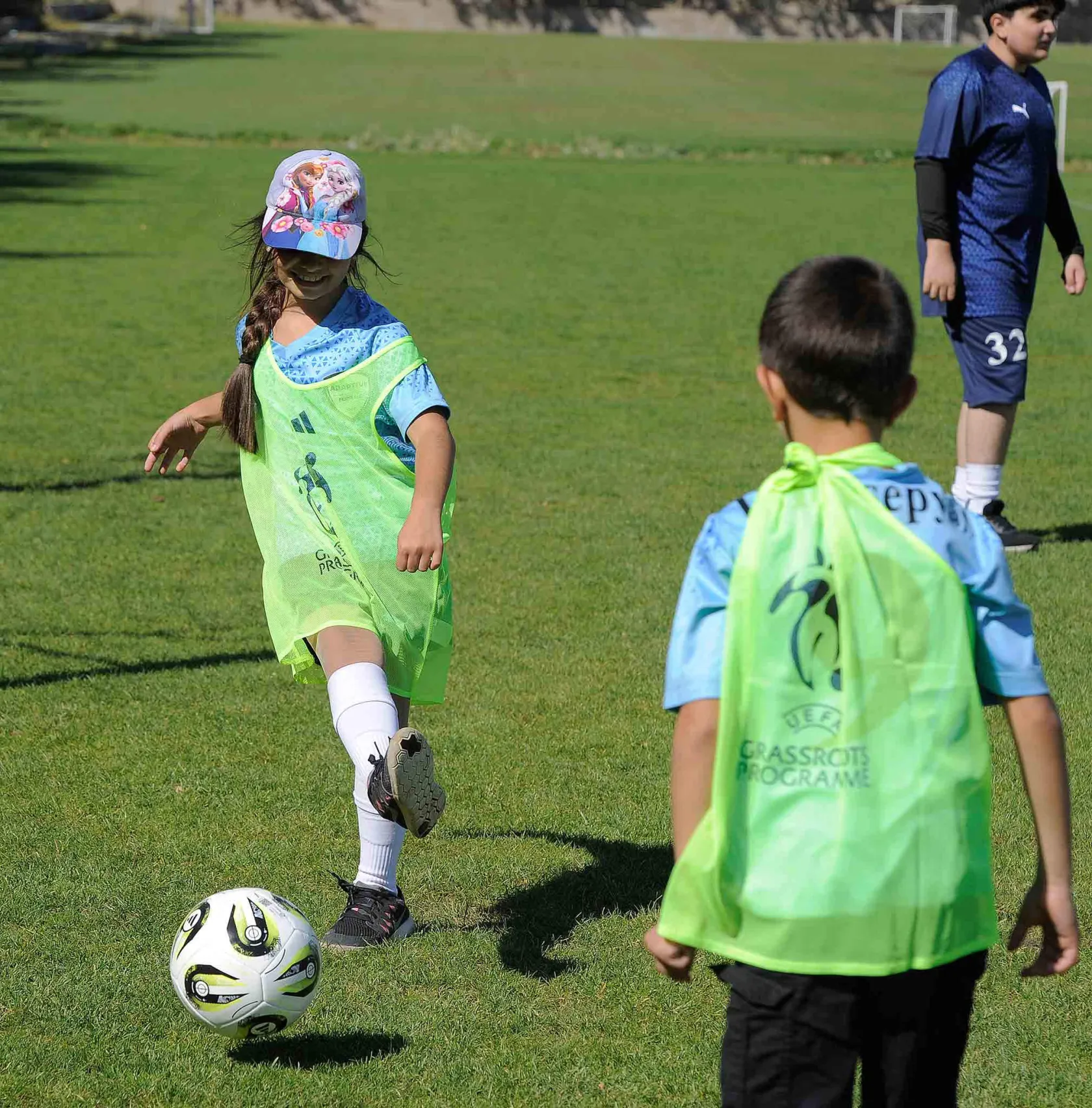
Ensuring access to sports and physical activities for children with special needs